Why a transfer switch?
Connecting a generator to a home without an approved transfer switch is dangerous. It can energize utility lines and harm line workers, and it risks damaging your equipment. A transfer switch isolates your home from the utility while the generator is running.
What we install
- Manual transfer switches and interlock kits, where the equipment and code allow
- Generator inlet boxes for portable generators
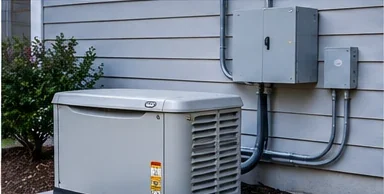
- Connections for standby generators at the transfer switch
- Circuit selection so the most important loads stay powered
Planning the setup
The right setup depends on your generator size, the circuits you want to power and your panel. We can help you choose which circuits to back up, such as refrigeration, well pump, sump pump, furnace blower, lights and outlets, and install the transfer equipment to match.
This page covers the electrical side of generator connections. Generator sales, fuel supply and gas piping for standby units are separate from our electrical work.
Frequently asked questions
Can I just plug my generator into a dryer outlet?
No. Backfeeding through an outlet is dangerous and not permitted. A transfer switch or approved interlock isolates your home from the utility.
Do I need a permit?
Generator connections typically require an electrical permit and inspection. We can explain what applies to your project.